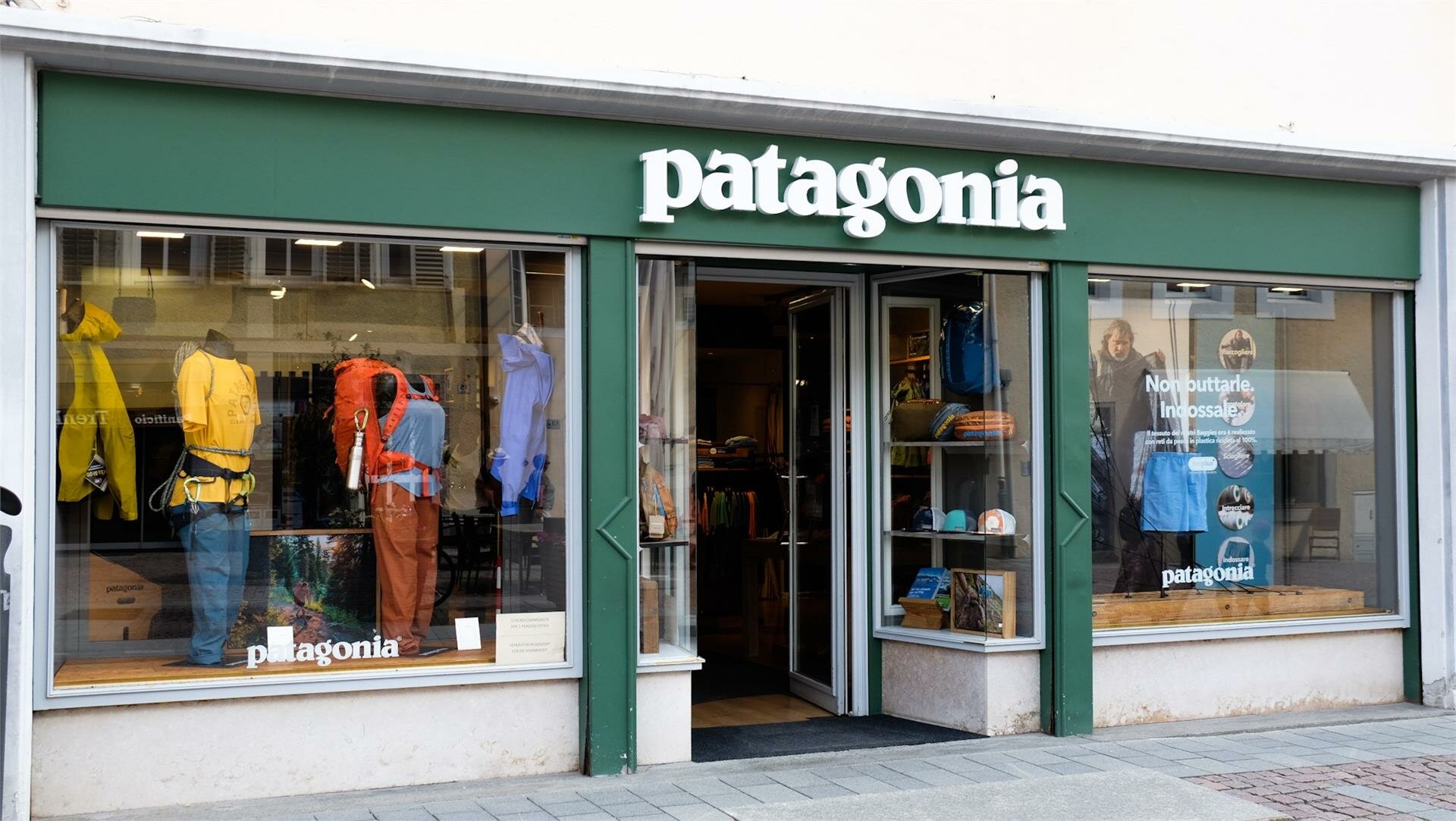
Patagonia did not build a brand around clothing. It built a position around conviction.
In most consumer markets, branding begins with differentiation. Materials, durability, pricing, performance. These factors shape perception, but they rarely create loyalty beyond function. Patagonia identified a deeper lever. The people buying outdoor gear were not just purchasing products. They were expressing a relationship with nature.
The brand chose to align itself not with the activity, but with the responsibility that comes with it.
This shift reframed everything. Patagonia does not present itself as a company that equips exploration. It presents itself as a company that protects the environment in which exploration exists. The product becomes a byproduct of that mission.
The strategy is rooted in ideological clarity. From the outset, Patagonia committed to environmental activism as a core principle, not a marketing angle. This is visible in decisions that directly impact revenue. Campaigns like “Don’t Buy This Jacket” challenged consumption rather than encouraging it. Repair programs extended product life instead of driving repeat purchases. A portion of profits is consistently directed toward environmental causes.
These are not isolated initiatives. They form a coherent system where every action reinforces the same belief.
Accessibility plays a critical role in how this ideology is communicated. Patagonia translates complex environmental issues into clear, understandable narratives. Content is structured to educate without overwhelming. Users are not expected to have prior knowledge. They are guided into awareness through storytelling, data, and real-world examples.
Performance, in this context, extends beyond product quality. It includes the credibility of the brand itself. Claims are backed by transparency. Supply chains are disclosed. Materials are scrutinized. This reduces skepticism and builds trust over time. When Patagonia speaks about sustainability, it is not perceived as positioning. It is perceived as practice.
The experience across touchpoints remains consistent. Whether a user is browsing the website, reading an article, or visiting a store, the same message is present. Products are described alongside their environmental impact. Stories highlight activism as much as adventure. The brand does not separate commerce from cause. It integrates them.
The ecosystem is designed to reinforce participation. Customers are encouraged to repair, reuse, and recycle. Initiatives like Worn Wear create a secondary lifecycle for products. This extends engagement beyond the initial purchase and aligns user behavior with brand values.
From a branding perspective, this creates a powerful alignment. Customers do not just buy a jacket. They align themselves with a set of beliefs. This transforms the relationship from transactional to ideological.
The impact is significant. Patagonia commands strong loyalty despite operating in a competitive market. Customers are willing to pay a premium because the product carries meaning beyond function. The brand attracts a specific audience, but that specificity strengthens its position rather than limiting it.
This approach also reduces reliance on traditional marketing. The brand’s actions generate their own attention. Campaigns are not designed to capture interest temporarily. They are designed to reinforce long-term belief.
The strategy can be understood through three principles.
First, define a clear ideological position that extends beyond the product.
Second, ensure that every operational decision reflects that position, even when it creates short-term trade-offs.
Third, communicate with transparency so that users can verify, not just trust.
The result is a brand that does not need to persuade aggressively. It resonates with those who already share or aspire to its values.
Patagonia demonstrates that branding at its highest level is not about perception management. It is about alignment between what a company believes and what it does.
This is the shift. From selling products to representing principles. From attracting customers to building a community of shared values. From marketing messages to lived proof.
And that is why Patagonia is not chosen only for what it makes. It is chosen for what it stands for.
Patagonia did not build a brand around clothing. It built a position around conviction.
In most consumer markets, branding begins with differentiation. Materials, durability, pricing, performance. These factors shape perception, but they rarely create loyalty beyond function. Patagonia identified a deeper lever. The people buying outdoor gear were not just purchasing products. They were expressing a relationship with nature.
The brand chose to align itself not with the activity, but with the responsibility that comes with it.
This shift reframed everything. Patagonia does not present itself as a company that equips exploration. It presents itself as a company that protects the environment in which exploration exists. The product becomes a byproduct of that mission.
The strategy is rooted in ideological clarity. From the outset, Patagonia committed to environmental activism as a core principle, not a marketing angle. This is visible in decisions that directly impact revenue. Campaigns like “Don’t Buy This Jacket” challenged consumption rather than encouraging it. Repair programs extended product life instead of driving repeat purchases. A portion of profits is consistently directed toward environmental causes.
These are not isolated initiatives. They form a coherent system where every action reinforces the same belief.
Accessibility plays a critical role in how this ideology is communicated. Patagonia translates complex environmental issues into clear, understandable narratives. Content is structured to educate without overwhelming. Users are not expected to have prior knowledge. They are guided into awareness through storytelling, data, and real-world examples.
Performance, in this context, extends beyond product quality. It includes the credibility of the brand itself. Claims are backed by transparency. Supply chains are disclosed. Materials are scrutinized. This reduces skepticism and builds trust over time. When Patagonia speaks about sustainability, it is not perceived as positioning. It is perceived as practice.
The experience across touchpoints remains consistent. Whether a user is browsing the website, reading an article, or visiting a store, the same message is present. Products are described alongside their environmental impact. Stories highlight activism as much as adventure. The brand does not separate commerce from cause. It integrates them.
The ecosystem is designed to reinforce participation. Customers are encouraged to repair, reuse, and recycle. Initiatives like Worn Wear create a secondary lifecycle for products. This extends engagement beyond the initial purchase and aligns user behavior with brand values.
From a branding perspective, this creates a powerful alignment. Customers do not just buy a jacket. They align themselves with a set of beliefs. This transforms the relationship from transactional to ideological.
The impact is significant. Patagonia commands strong loyalty despite operating in a competitive market. Customers are willing to pay a premium because the product carries meaning beyond function. The brand attracts a specific audience, but that specificity strengthens its position rather than limiting it.
This approach also reduces reliance on traditional marketing. The brand’s actions generate their own attention. Campaigns are not designed to capture interest temporarily. They are designed to reinforce long-term belief.
The strategy can be understood through three principles.
First, define a clear ideological position that extends beyond the product.
Second, ensure that every operational decision reflects that position, even when it creates short-term trade-offs.
Third, communicate with transparency so that users can verify, not just trust.
The result is a brand that does not need to persuade aggressively. It resonates with those who already share or aspire to its values.
Patagonia demonstrates that branding at its highest level is not about perception management. It is about alignment between what a company believes and what it does.
This is the shift. From selling products to representing principles. From attracting customers to building a community of shared values. From marketing messages to lived proof.
And that is why Patagonia is not chosen only for what it makes. It is chosen for what it stands for.