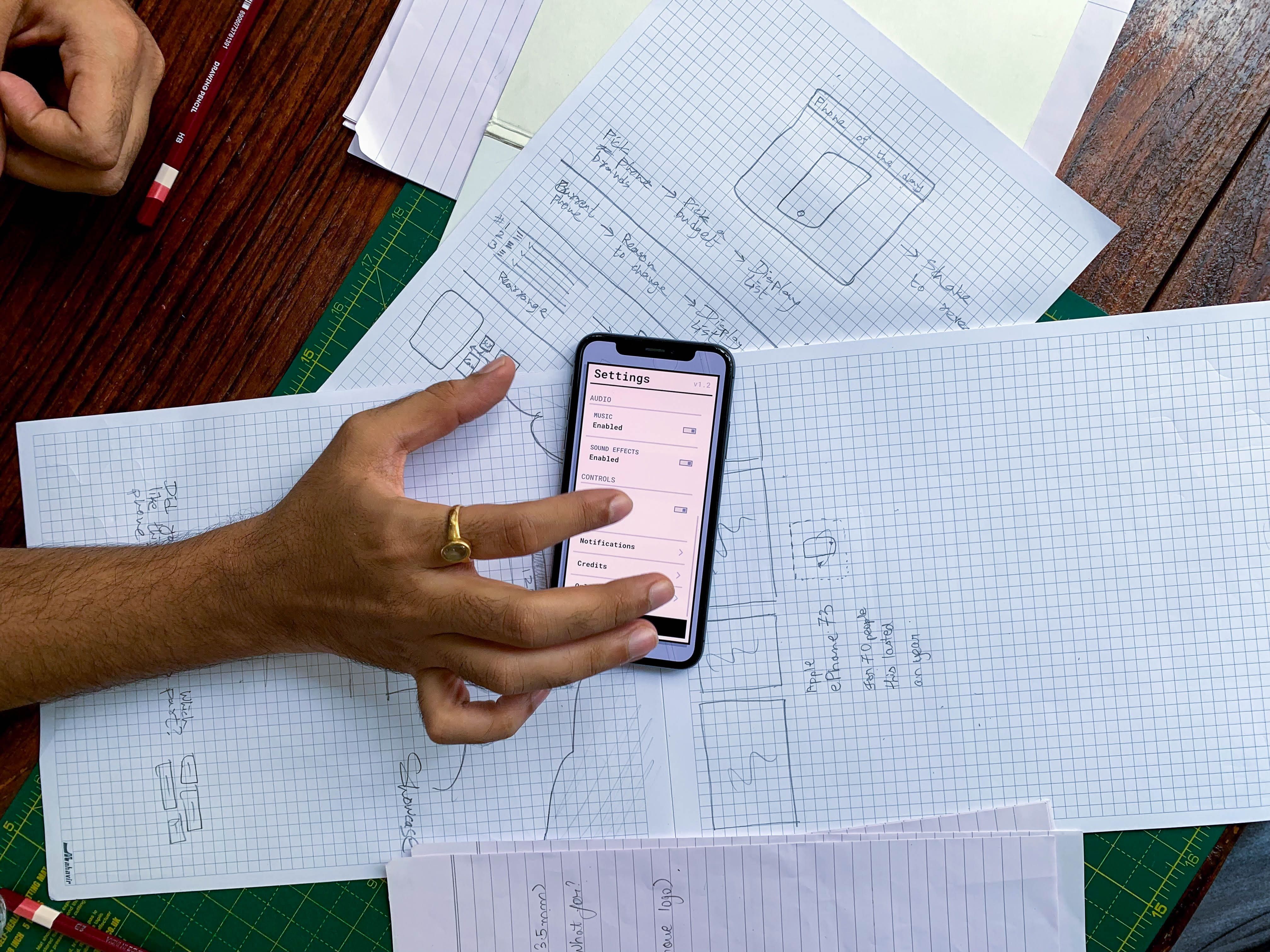
When we talk about user flows, we often describe them in technical terms: steps, funnels, conversions, drop-offs. These words are useful, but they rarely capture what a user actually experiences. For the user, a flow is not a diagram or a sequence. It is a movement. It is the feeling of being guided, interrupted, reassured, or rushed as they move through a system.
A well-designed flow does not feel like a path imposed on the user. It feels like something that adapts to them, responds to their intent, and respects their attention. This is where flows stop being purely functional and begin to act as expressions of the product itself.
Flow as Attention in Motion
Attention is not constant. It expands and contracts as users interact with an interface. Sometimes it is sharp and focused, sometimes scattered and tentative. Good flows acknowledge this variability. They do not demand full attention at all times, nor do they overwhelm the user with choices when focus is low.
Channeling attention means understanding where the user is mentally at each moment and shaping the experience accordingly. Early in a flow, clarity and orientation matter more than speed. In the middle, momentum becomes important. Near the end, reassurance and closure help the user feel confident about what they have done.
Interfaces that work well tend to pace themselves. They reveal information gradually, reduce noise when decisions matter, and avoid unnecessary interruptions. The flow becomes less about pushing users forward and more about maintaining a steady, comfortable movement.
Gratification as Continuity, Not Reward
Gratification is often treated as something that happens at the end of an interaction: a success message, an animation, a confirmation screen. While these moments are important, they are not where gratification truly begins.
Most satisfaction comes from continuity. From not being surprised in the wrong way. From small confirmations that the system is responding as expected. A button that reacts immediately, a transition that explains what changed, a message that clearly states what will happen next. These are subtle forms of gratification, but they accumulate.
When gratification is distributed across the flow, users rarely stop to notice it. Instead, they feel that the experience is smooth and trustworthy. Nothing feels broken, rushed, or careless. This sense of continuity reduces cognitive effort and allows the user to stay engaged without friction.
Interfaces as Instruments of Expression
Every interface expresses something, even when it is not intentional. The spacing between elements, the order of actions, the language used in prompts and errors all communicate how the system views the user.
A flow that requires unnecessary repetition expresses indifference. A flow that explains itself expresses care. A flow that allows users to skip, pause, or return expresses trust.
In this way, user flows become an extension of the product’s values. They show whether the system prioritizes efficiency over understanding, or clarity over control. These values are not stated explicitly, but they are felt through interaction.
Individual Experiences Within Shared Systems
No system can be entirely unique for every user, yet every user’s experience is inherently individual. Context changes how flows are perceived. A first-time user moves differently than a returning one. A user in a hurry interacts differently than one who is exploring.
Designing for individual experiences does not necessarily mean personalization through data. Often it means creating flows that are flexible enough to accommodate different rhythms. Providing multiple paths without making them visible as choices. Allowing users to move quickly without forcing them to do so.
When flows support different modes of interaction, each user’s journey becomes a personal expression of the system. The same product feels different depending on how it is entered, navigated, and exited.
Rhythm and Movement in Interaction
There is a close relationship between interaction and rhythm. Just as music uses timing and repetition to create emotion, interfaces use transitions, pauses, and feedback to shape how an experience feels.
A sudden change can feel jarring. A delayed response can feel uncertain. A well-timed transition can feel natural and calming. These moments are rarely dramatic, but they influence how users perceive the entire system.
When flows are designed with rhythm in mind, they feel intentional. Each step leads naturally to the next. The user does not need to constantly reorient themselves or question what is happening. The experience carries them forward.
Each Step Communicates Intent
Every step in a flow communicates something, whether through action or absence. A missing explanation implies assumption. A forced decision implies urgency. A gentle prompt implies guidance.
Designing flows with care means considering what each step is saying to the user. Not just what it does, but how it positions the user in relation to the system. Are they being instructed, assisted, or collaborated with?
Over time, these signals shape trust. Users may not remember specific screens, but they remember how an experience made them feel. Whether it felt considerate or careless, supportive or demanding.
Letting Flows Breathe
Nurturing flows is about restraint as much as it is about structure. It requires knowing when to simplify, when to slow down, and when to step out of the way.
A flow that breathes allows the user to feel in control. It adapts to their pace instead of enforcing one. It removes friction without removing agency.
When flows are designed this way, they stop feeling like mechanisms and start feeling like conversations. The system responds, the user reacts, and the experience unfolds naturally.
In the end, a product is not only defined by its features or visuals, but by how it moves people through it. When flows are nurtured with intention, they become quiet expressions of care. They allow each user’s experience to be their own, while still belonging to a shared system.
And when the flow flows, the interaction fades into the background, leaving behind a sense of ease and understanding.
When we talk about user flows, we often describe them in technical terms: steps, funnels, conversions, drop-offs. These words are useful, but they rarely capture what a user actually experiences. For the user, a flow is not a diagram or a sequence. It is a movement. It is the feeling of being guided, interrupted, reassured, or rushed as they move through a system.
A well-designed flow does not feel like a path imposed on the user. It feels like something that adapts to them, responds to their intent, and respects their attention. This is where flows stop being purely functional and begin to act as expressions of the product itself.
Flow as Attention in Motion
Attention is not constant. It expands and contracts as users interact with an interface. Sometimes it is sharp and focused, sometimes scattered and tentative. Good flows acknowledge this variability. They do not demand full attention at all times, nor do they overwhelm the user with choices when focus is low.
Channeling attention means understanding where the user is mentally at each moment and shaping the experience accordingly. Early in a flow, clarity and orientation matter more than speed. In the middle, momentum becomes important. Near the end, reassurance and closure help the user feel confident about what they have done.
Interfaces that work well tend to pace themselves. They reveal information gradually, reduce noise when decisions matter, and avoid unnecessary interruptions. The flow becomes less about pushing users forward and more about maintaining a steady, comfortable movement.
Gratification as Continuity, Not Reward
Gratification is often treated as something that happens at the end of an interaction: a success message, an animation, a confirmation screen. While these moments are important, they are not where gratification truly begins.
Most satisfaction comes from continuity. From not being surprised in the wrong way. From small confirmations that the system is responding as expected. A button that reacts immediately, a transition that explains what changed, a message that clearly states what will happen next. These are subtle forms of gratification, but they accumulate.
When gratification is distributed across the flow, users rarely stop to notice it. Instead, they feel that the experience is smooth and trustworthy. Nothing feels broken, rushed, or careless. This sense of continuity reduces cognitive effort and allows the user to stay engaged without friction.
Interfaces as Instruments of Expression
Every interface expresses something, even when it is not intentional. The spacing between elements, the order of actions, the language used in prompts and errors all communicate how the system views the user.
A flow that requires unnecessary repetition expresses indifference. A flow that explains itself expresses care. A flow that allows users to skip, pause, or return expresses trust.
In this way, user flows become an extension of the product’s values. They show whether the system prioritizes efficiency over understanding, or clarity over control. These values are not stated explicitly, but they are felt through interaction.
Individual Experiences Within Shared Systems
No system can be entirely unique for every user, yet every user’s experience is inherently individual. Context changes how flows are perceived. A first-time user moves differently than a returning one. A user in a hurry interacts differently than one who is exploring.
Designing for individual experiences does not necessarily mean personalization through data. Often it means creating flows that are flexible enough to accommodate different rhythms. Providing multiple paths without making them visible as choices. Allowing users to move quickly without forcing them to do so.
When flows support different modes of interaction, each user’s journey becomes a personal expression of the system. The same product feels different depending on how it is entered, navigated, and exited.
Rhythm and Movement in Interaction
There is a close relationship between interaction and rhythm. Just as music uses timing and repetition to create emotion, interfaces use transitions, pauses, and feedback to shape how an experience feels.
A sudden change can feel jarring. A delayed response can feel uncertain. A well-timed transition can feel natural and calming. These moments are rarely dramatic, but they influence how users perceive the entire system.
When flows are designed with rhythm in mind, they feel intentional. Each step leads naturally to the next. The user does not need to constantly reorient themselves or question what is happening. The experience carries them forward.
Each Step Communicates Intent
Every step in a flow communicates something, whether through action or absence. A missing explanation implies assumption. A forced decision implies urgency. A gentle prompt implies guidance.
Designing flows with care means considering what each step is saying to the user. Not just what it does, but how it positions the user in relation to the system. Are they being instructed, assisted, or collaborated with?
Over time, these signals shape trust. Users may not remember specific screens, but they remember how an experience made them feel. Whether it felt considerate or careless, supportive or demanding.
Letting Flows Breathe
Nurturing flows is about restraint as much as it is about structure. It requires knowing when to simplify, when to slow down, and when to step out of the way.
A flow that breathes allows the user to feel in control. It adapts to their pace instead of enforcing one. It removes friction without removing agency.
When flows are designed this way, they stop feeling like mechanisms and start feeling like conversations. The system responds, the user reacts, and the experience unfolds naturally.
In the end, a product is not only defined by its features or visuals, but by how it moves people through it. When flows are nurtured with intention, they become quiet expressions of care. They allow each user’s experience to be their own, while still belonging to a shared system.
And when the flow flows, the interaction fades into the background, leaving behind a sense of ease and understanding.