Security in interface development is not an add-on, but a structural layer designed alongside performance and usability. The objective is to protect the system without introducing friction or obstruction into the user experience.
This begins with a clear understanding of user segments, data sensitivity, and the frameworks in use. Not every interaction requires the same level of protection. By classifying users and data early, interfaces can apply security controls selectively, ensuring critical paths are protected while maintaining speed elsewhere.
A layered security approach enables progressive enforcement. Encryption, validation, and access control are applied where necessary, reducing redundant checks and unnecessary overhead. This aligns closely with modular development principles, where security logic is encapsulated within well-defined boundaries rather than spread across the interface.
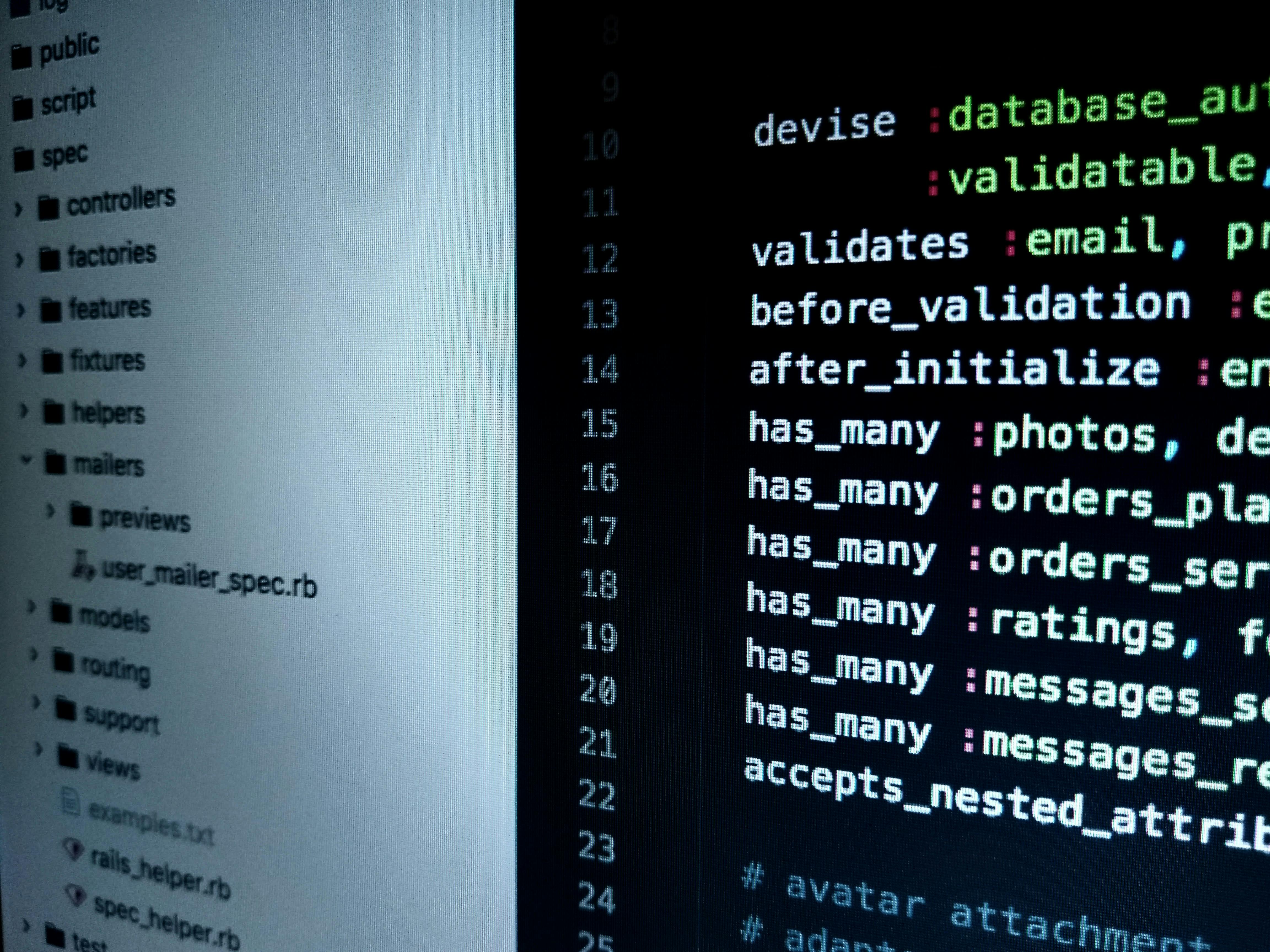
Modern frameworks support this through role-based access control, hierarchical permissions, and parent–child data relationships. Much like class inheritance or module imports, permissions flow downward with constraints defined at higher levels. Parent contexts establish rules, while child components inherit only what is explicitly allowed.
This structure improves stability and maintainability. Security rules remain centralized, reusable, and easier to audit. Interfaces stay performant because access checks are predictable, consistent, and battle-tested.
When implemented correctly, security and performance support each other. The interface remains flexible and responsive for users, while the system enforces clear, reliable boundaries that protect data and ensure long-term stability.
Security in interface development is not an add-on, but a structural layer designed alongside performance and usability. The objective is to protect the system without introducing friction or obstruction into the user experience.
This begins with a clear understanding of user segments, data sensitivity, and the frameworks in use. Not every interaction requires the same level of protection. By classifying users and data early, interfaces can apply security controls selectively, ensuring critical paths are protected while maintaining speed elsewhere.
A layered security approach enables progressive enforcement. Encryption, validation, and access control are applied where necessary, reducing redundant checks and unnecessary overhead. This aligns closely with modular development principles, where security logic is encapsulated within well-defined boundaries rather than spread across the interface.
Modern frameworks support this through role-based access control, hierarchical permissions, and parent–child data relationships. Much like class inheritance or module imports, permissions flow downward with constraints defined at higher levels. Parent contexts establish rules, while child components inherit only what is explicitly allowed.
This structure improves stability and maintainability. Security rules remain centralized, reusable, and easier to audit. Interfaces stay performant because access checks are predictable, consistent, and battle-tested.
When implemented correctly, security and performance support each other. The interface remains flexible and responsive for users, while the system enforces clear, reliable boundaries that protect data and ensure long-term stability.